speed up ubuntu netbook
This simple and brief tutorial is going to show you how to speed up your snail-slow laptop by tweaking your Ubuntu system. There’re some tools and apps to improve the overall performance of an Ubuntu powered machine. They are really helpful if you have an old machine with the hardware that are out of date.

Improve Performance with ZRAM on low RAM machines:

ZRAM is a is a module of the Linux kernel that creates a RAM based block device which acts as a swap disk, but is compressed and stored in memory instead of swap disk (which is slow), allowing very fast I/O and increasing the amount of memory available before the system starts swapping to disk.

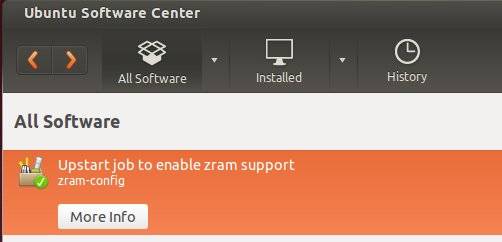
This gives amazing performance improvements on systems with low RAM. Especially netbooks! Search for and install zram-config from Ubuntu Software Center. Then restart, zram is running silently as a background process.
Speed up application loading time by using Preload

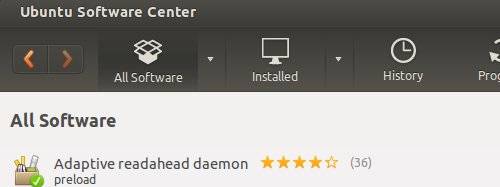
Preload is nice little application that could make your linux system a lot faster. Preload is an adaptive readahead daemon. It monitors applications that users run, and by analyzing this data, predicts what applications users might run, and fetches those binaries and their dependencies into memory for faster startup times.

Preload is available by default in Ubuntu Software Center. Just search for and install it, then it’ll run silently as a background process. If you want to further tweak Preload, conf file is available at /etc/preload.conf.
Speed up Unity desktop by disable graphics effect:

Unity 2D has been dropped since Ubuntu 12.04, it’s no longer available in higher editions. If you’re using Ubuntu with Unity as its desktop environment, you can turn off the graphics effect to get a better experience.

To do so, create file .xprofile on user Home folder and open it with text editor (You may check if it already exist by press Ctrl+H to view hidden files). Add below line and save it:

export UNITY_LOW_GFX_MODE=1

That’s it. Hope this tutorial may help you!

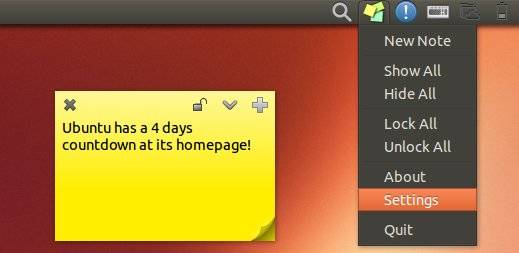
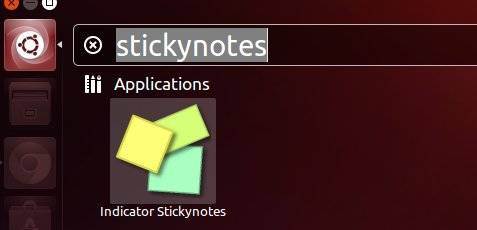
In this tutorial I’ll show you a lightweight sticky notes software for Ubuntu users. It’s indicator-stickynotes which allows you to jot down thoughts, lists, and reminders on your desktop. This simple tool works on Unity, Gnome Shell, XFCE/Xubuntu, with partial support for KDE/Kubuntu and Linux Mint (MATE and Cinnamon).

Objectives:

  • Install Indicator Stickynotes on Ubuntu and Linux Mint.
  • Enjoy!

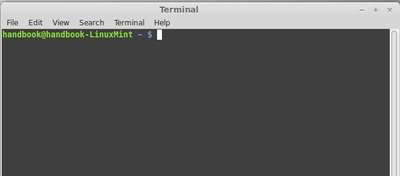
To get started, add the ppa repository which supports Ubuntu 13.04 Raring, 12.10 Quantal, 12.04 Precise and Linux Mint 13 Maya, 14 Nadia, 15 Olivia. To do so, press Ctrl+Alt+T to open a terminal window, run below commands:

sudo apt-add-repository ppa:umang/indicator-stickynotes

Then update the package lists and install the software:

sudo apt-get update; sudo apt-get install indicator-stickynotes

Enjoy!

As you may know, RemoteBox is an open source VirtualBox Client with Remote Management feature. It allows you to administer an installation of VirtualBox residing on another machine such as a server, as if it was installed locally. You can also interact with the displays of the guests. This allows you to treat VirtualBox much more like an installation of Xen, KVM or VMware ESX. A summary of some of the features of RemoteBox are listed below.

In this brief tutorial I’ll show you how to install RemoteBox 1.5 on Ubuntu 13.04 Raring or Linux Mint.

To get started, press Ctrl+Alt+T to open a terminal window for running commands:

Then run commands to install required packages:

sudo apt-get install libgtk2-perl libsoap-lite-perl rdesktop

Then download RemoteBox 1.5 (VirtualBox 4.2.X required):

RemoteBox-1.5.tar.bz2

Decompress the downloaded package, and it should result a new folder called RemoteBox-1.5. In terminal, navigate to this folder:

cd ~/Downloads/RemoteBox-1.5

Then start RemoteBox:

./remotebox

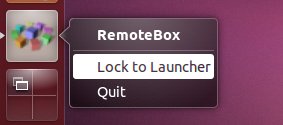
You can right-click on the icon from Unity Launcher and choose ‘Lock to Launcher’ to make it easy to launch next time. Or you can manually add it into Unity Dash.

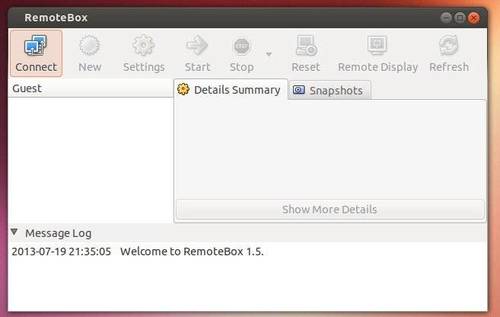
This is the main window of RemoteBox:

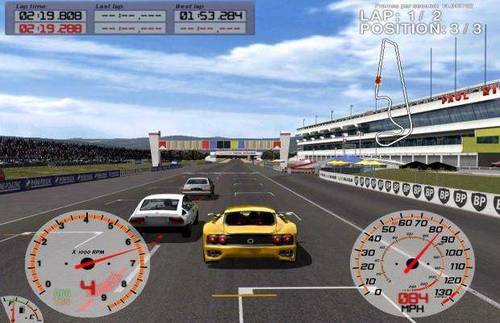
VDrift is an open source driving simulation made with drift racing in mind. It was available for Ubuntu and Linux Mint users from PlayDeb repository.

For recent Ubuntu releases, there’s a popular xtradeb games PPA contains the game package for Ubuntu 20.04, Ubuntu 22.04, Ubuntu 24.04, and Linux Mint 21/22. Not only for amd64 (Intel/AMD CPUs), it also support arm64/armhf (e.g., raspberry pi) platforms.

Objectives:

  • Install VDrift on Ubuntu and Linux Mint
  • Enjoy!

To get started, first press Ctrl+Alt+T on keyboard to open up a terminal window. Then run command below to add the PPA:

sudo add-apt-repository ppa:xtradeb/play

It will automatically refresh cache after adding PPA in Ubuntu, though Linux Mint user needs to do it manually by running command:

sudo apt update

Finally, install the game package by running command:

sudo apt install vdrift

(Optional) To uninstall the car racing game, use command:

sudo apt remove --autoremove vdrift vdrift-data

Then, use command below to remove the PPA repository:

sudo add-apt-repository --remove ppa:xtradeb/play

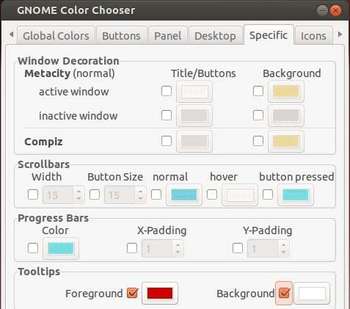
Tooltips on Ubuntu Unity by default is white on black. This tutorial shows how to easily change the both background and foreground colors.

Objectives:

  • Change default tooltip background and foreground colors
  • Enjoy!

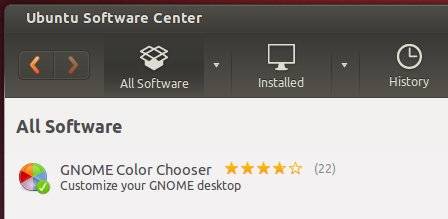
To get started, install the simple tool Gnome Color Chooser from Ubuntu Software Center.

Open it from the Unity Dash. Navigate to Specific tab, there you’ll find the option to tweak the tooltips colors.

That’s it. Enjoy!

Want to install and use Google Sketchup on Ubuntu 13.04 Raring? Well, this simple tutorial will show you how to do it. With the help of Wine software, you can install and use Windows software easily in Ubuntu.

Wine is a compatibility layer capable of running Windows applications on several POSIX-compliant operating systems, including Ubuntu Linux. It’s free and open-source software. Wine now is getting a lot better at handling Windows software on Linux systems.

To get started with installing Sketchup 2013 in Ubuntu, download the lastest version of wine. To do that, press Ctrl + Alt + T on your keyboard to open the terminal. When it opens, run the commands below to add its PPA.

sudo add-apt-repository ppa:ubuntu-wine/ppa

Then run below command to update package lists and install wine1.5 (Now the latest wine1.7 is recommended):

sudo apt-get update; sudo apt-get install wine1.5

Once wine is installed, run below command to configure it so that Sketchup could be installed. You may need to log out and log back:

winecfg

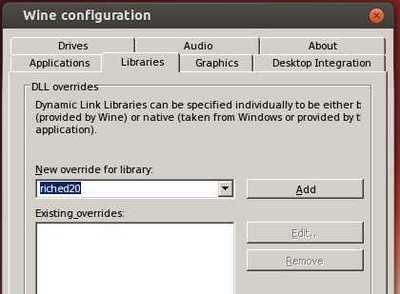
Next, navigate to Libraries tab, then select ‘Riched20’ library from the drop-down list and add it. When done, click OK

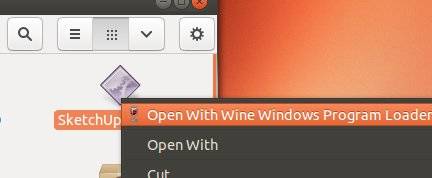
Download Google Sketchup from http://sketchup.google.com/intl/en/download/gsu.html. Then navigate to the Downloads folder and right-click on the EXE to ‘Open with Wine Windows Program Loader’.

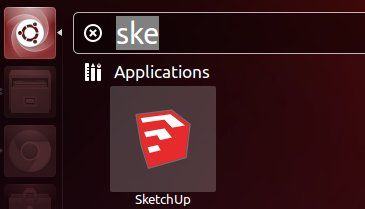
Follow the setup wizard and finally you’ll get the shortcut on the desktop and Unity dash.

That’s it. Enjoy!

UPDATE: If Sketchup hangs after choosing a template, try launching it with /DisableRubyAPI as a workaround. Or read the new post about install Sketchup 2014 in Ubuntu 14.04.

When you’re running your laptop on battery, Ubuntu dims the screen after a few seconds of inactivity. It annoying and here’s how to increase the timeout.

Objectives:

  • Increase Ubuntu screen dimming timeout on your laptop
  • Enjoy!

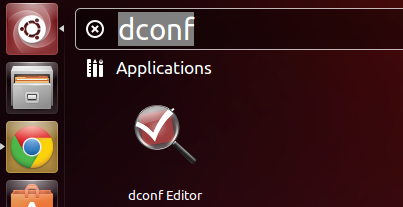
To get started, open dconf Editor from the dash search results.

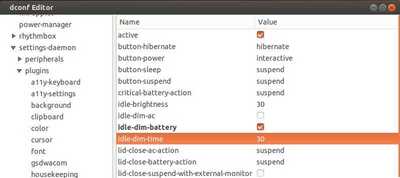
In next window, navigate to org -> gnome -> settings-daemon -> plugins -> power. You’ll find the key which says “idle-dim-time”, change its value to what you want.

Enjoy!

When your Ubuntu laptop is on battery, the screen dims after about a few seconds of inactivity. It’s annoying and here’s how to turn if off.

Objectives:

  • Disable Screen Dimming on Ubuntu 13.04 Laptop
  • Enjoy!

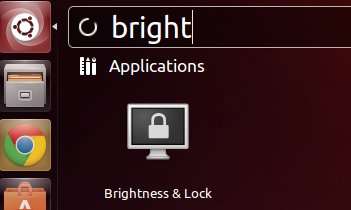
To get started, open Brightness & Lock utility from Unity Dash search results or from System Settings.

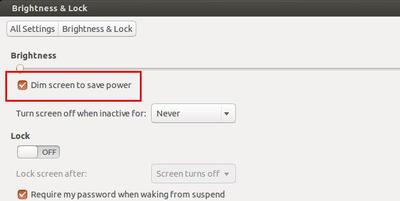
Un-check the box where it says “Dim screen to save power”

That’s it!

How to Flush DNS Cache on Ubuntu 13.04, 12.10

Last updated: July 18, 2013

This simple tutorial will show you how to flush or clear your system’s DNS records on Ubuntu 13.04 Raring and 12.10 Quantal.

Objectives:

  • Flush DNS records on Ubuntu 13.04 or Ubuntu 12.10
  • Enjoy!

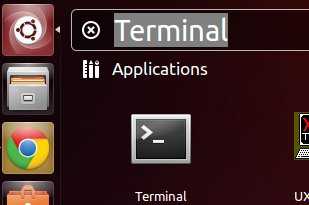
To get started, press Ctrl+Alt+T to open a terminal window.

Then run command to flush dns:

sudo /etc/init.d/dns-clean restart

You can also use this command:

sudo /etc/init.d/networking force-reload

In addition, to flush nscd dns cache:

sudo /etc/init.d/nscd restart

To flush dnsmasq dns cache:

sudo /etc/init.d/dnsmasq restart

Getdeb is an unofficial project which provides the latest open-source and freeware applications for Ubuntu Linux, and PlayDeb provides games. As Ubuntu based Linux distribution, Linux Mint users are available to install software from this repository.

Objectives:

  • Install / add / enable GetDeb & PlayDeb repository on Linux Mint
  • Enjoy!

To get started, go to Start menu, search and open Software Sources

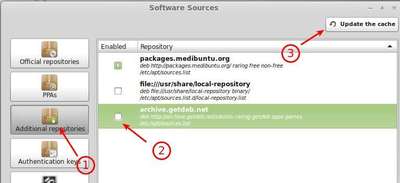
Navigate to Additional repositories, check the box where it says ‘archive getdeb.net’. Click ‘update the cache’ button to update package lists.

That’s it!

If it is not there in your Linux Mint edition, click ‘Add a new repository’ and type in

deb http://archive.getdeb.net/ubuntu raring-getdeb apps games

In the line, change raring to yours based Ubuntu release code name.

Linux Mint 14 Nadia based on Ubuntu 12.10 quantal
Linux Mint 13 Maya based on Ubuntu 12.04 precise
Linux Mint 12 Lisa based on Ubuntu 11.10 oneiric
Linux Mint 11 Katya based on Ubuntu 11.04 natty
Linux Mint 10 Julia based on Ubuntu 10.10 maverick
Linux Mint 9 Isadora based on Ubuntu 10.04 lucid

And get the key by running below commands in terminal (Ctrl+Alt+T):

wget -q -O- http://archive.getdeb.net/getdeb-archive.key | sudo apt-key add -

Enjoy!